
fredrickg34846
About fredrickg34846
Revolutionizing Erectile Dysfunction Treatment: The Promise of Gene Therapy
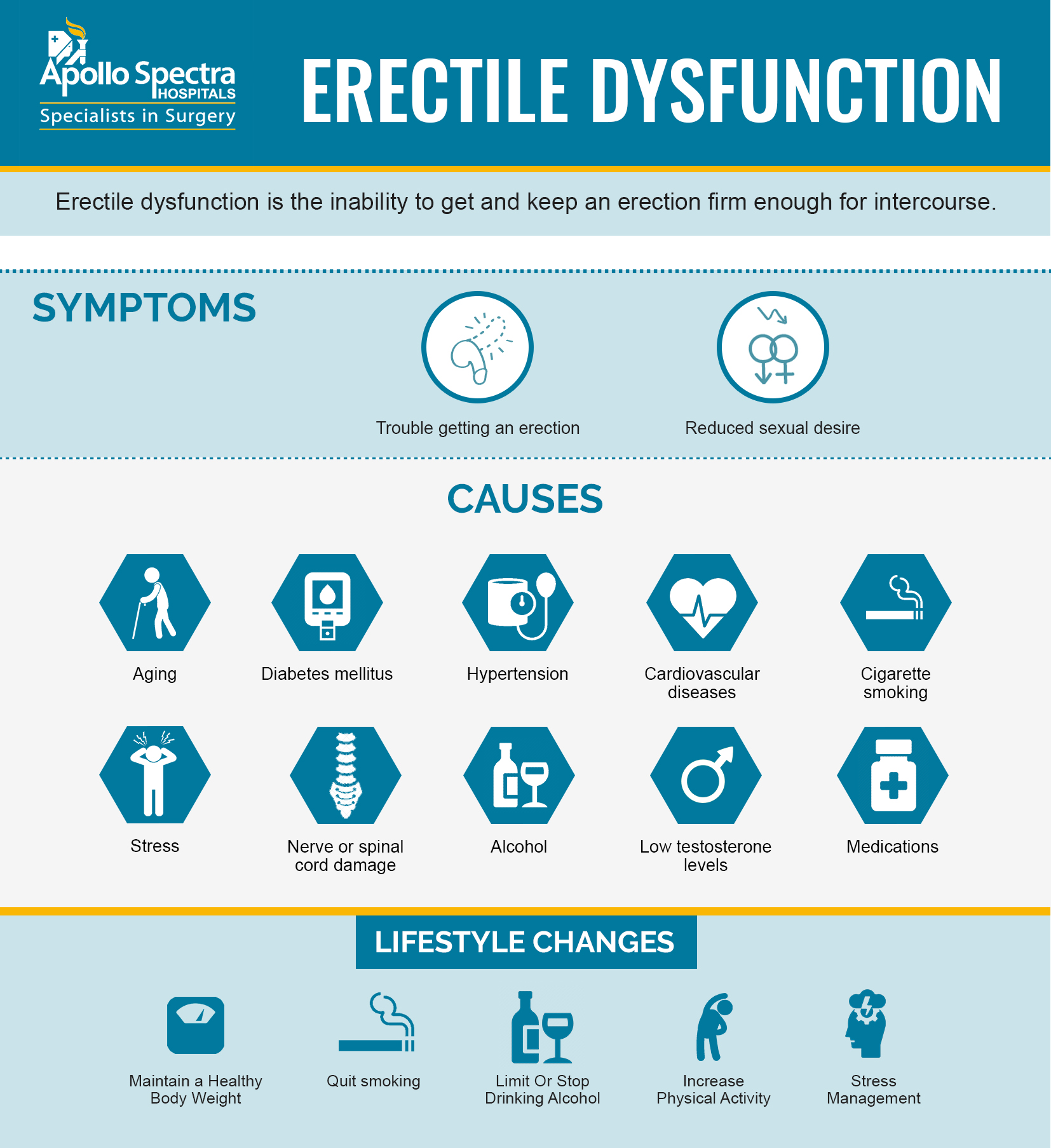
Erectile dysfunction (ED) is a prevalent situation affecting tens of millions of males worldwide, significantly impacting their high quality of life and intimate relationships. Traditional treatments have included oral medications, vacuum erection devices, and penile injections, however these choices usually come with limitations resembling unwanted side effects, the need for ongoing use, and various degrees of effectiveness. However, recent advancements in medical research have paved the way in which for progressive approaches to ED treatment, particularly gene therapy, which holds the promise of a more everlasting and efficient resolution.
Gene therapy is a reducing-edge method that entails the introduction, removal, or alteration of genetic material inside a patient’s cells to deal with or prevent disease. Within the context of erectile dysfunction, researchers have been exploring how gene therapy can address the underlying causes of the situation slightly than just alleviating the signs. This strategy targets the biological mechanisms that result in erectile dysfunction, offering a more comprehensive solution.
One among the first causes of ED is vascular insufficiency, where the blood vessels supplying the penis become narrowed or blocked, preventing enough blood circulate wanted for an erection. Gene therapy aims to reinforce the production of proteins that promote blood vessel progress and enhance blood stream. For example, researchers have been investigating using genes that encode for vascular endothelial growth issue (VEGF), a protein that stimulates the formation of latest blood vessels. By delivering these genes on to the penile tissue, scientists hope to promote angiogenesis (the formation of new blood vessels), thus restoring regular erectile function.
Clinical trials have shown promising results on this area. In a examine revealed in the journal ”Human Gene Therapy,” researchers administered a VEGF gene therapy to males with ED who had not responded to conventional treatments. The outcomes demonstrated important improvements in erectile function, with many contributors reporting passable sexual experiences after the treatment. These findings suggest that gene therapy could provide an extended-lasting answer for males suffering from erectile dysfunction, doubtlessly decreasing or eliminating the need for ongoing treatment.
Another avenue of gene therapy research focuses on the nitric oxide (NO) pathway, which plays a crucial role in the physiological process of erection. Nitric oxide is a signaling molecule that helps relax the graceful muscles in the penis, permitting for increased blood movement during sexual arousal. In circumstances of erectile dysfunction, the production or action of nitric oxide may be impaired. Researchers are exploring the potential of delivering genes that improve the production of nitric oxide synthase (NOS), the enzyme answerable for synthesizing nitric oxide. By boosting nitric oxide levels within the penile tissue, gene therapy may restore the pure erectile response.
Additionally, gene therapy could handle psychological factors contributing to erectile dysfunction. Anxiety, depression, and stress can all impression sexual efficiency, resulting in a cycle of avoidance and worsening symptoms. Some research have suggested that gene therapy could be combined with behavioral therapies to deal with each the physiological and psychological points of ED. This integrative strategy could enhance the general effectiveness of treatment and improve patient outcomes.
Whereas gene therapy for erectile dysfunction remains to be in the experimental phases, the progress made so far is encouraging. Researchers are continuing to refine the methods used to ship genes effectively, guaranteeing that they reach the goal tissues with out causing adversarial effects. Advances in viral vector technology, which entails using modified viruses to ship genetic materials, have improved the safety and efficacy of gene therapy. Additionally, researchers are investigating various supply methods, similar to nanoparticles, to boost the precision of gene supply.
Despite the promise of gene therapy, a number of challenges remain before it can change into a mainstream treatment for erectile dysfunction. Regulatory hurdles, funding for clinical trials, and public acceptance of gene therapy are all elements that might want to be addressed. Moreover, as with any new treatment, lengthy-term security and efficacy have to be completely evaluated through rigorous clinical trials.
The potential impression of gene therapy on the treatment of erectile dysfunction is significant. For a lot of men, the situation can lead to feelings of inadequacy, embarrassment, and a decreased quality of life. By providing a more practical and lasting resolution, gene therapy couldn’t only restore sexual function but in addition enhance overall properly-being and psychological health. Furthermore, the power to address the basis causes of ED might scale back the stigma related to the situation, encouraging extra males to seek assist and discuss their signs overtly.
In conclusion, the landscape of erectile dysfunction treatment (erectiledysfunctiontreatments.online) is evolving, with gene therapy rising as a promising method that goes beyond conventional strategies. By targeting the underlying biological mechanisms of the situation, gene therapy has the potential to supply a extra permanent resolution for these affected by erectile dysfunction. While additional analysis and clinical trials are essential to validate its effectiveness and security, the advances made in this field symbolize a major step ahead in enhancing the lives of hundreds of thousands of males worldwide. As we proceed to explore the possibilities of gene therapy, the future of erectile dysfunction treatment appears to be like brighter than ever.
No listing found.